

Walkie talkie wholesale purchasing is about more than ordering radios in bulk. A business team needs dependable push-to-talk communication that works when mobile phones are slow, signals are crowded, or hands are already busy. Talkie Wholesale supplies two-way radio solutions for hospitality, security, construction, healthcare, events, production crews, mining operations, and emergency response teams across the United States. Our catalog covers compact plastic radios for light-duty staff, rubberized and rugged models for demanding job sites, high-power units for wider coverage, long-battery options for long shifts, and hands-free accessories for discreet or fast-paced work. The goal is simple: help teams choose radios that match their environment, licensing needs, durability expectations, and operating budget.
Why Businesses Still Choose Walkie Talkies Over Phones
Cell phones are useful for private calls, apps, and remote coordination, but they are not always the fastest tool for frontline work. A walkie talkie connects a team with one button press. There is no dialing, no waiting for a call to connect, and no need for every worker to keep a phone unlocked during a shift. For hotels, bars, warehouses, security teams, and trade show staff, that speed often matters more than the advanced features of a smartphone.
A practical comparison of walkie talkie vs cell phone use starts with the work setting. Inside a hotel, a housekeeping lead may need to reach maintenance, the front desk, and a runner at once. At a bar, a manager may need security and door staff to hear the same instruction instantly. On a construction site, a foreman may need a safety update without taking off gloves. Push-to-talk keeps short messages clear and group-based, reducing the delay that happens when staff rely on individual calls or text messages.
Two-way radios also help control communication costs. A company buying wholesale walkie talkies can issue devices to seasonal staff, temporary crews, or event workers without adding mobile lines, data plans, or personal phone reimbursement. Radios can be charged, labeled, reassigned, and managed as shared business equipment. For high-turnover environments, this is a major operational advantage.
Coverage is another reason many organizations keep radios in service. Cell networks can become congested during concerts, conventions, sports events, storms, and emergency incidents. FRS and business-band radios use radio frequencies rather than cellular towers, while PoC radios use broadband networks for wider regional communication. The right system depends on the job: local teams often prefer traditional walkie talkies, while multi-site dispatch operations may consider dual-mode PoC and FRS-style solutions.
CB radio is different again. In a walkie talkie vs CB radio comparison, CB is more common for vehicle-to-vehicle communication, road updates, and certain trucking use cases. Business walkie talkies are usually better for controlled staff channels, compact carrying, headset use, and site-based coordination. Talkie Wholesale helps buyers separate these categories so they do not overpay for the wrong format or underbuy for critical operations.
Matching Radio Type to the Work Environment
The best wholesale order starts with the environment, not the price sheet. A plastic walkie talkie can be a smart choice for retail floors, school events, small offices, reception teams, and light hospitality use. These units are usually lightweight, easy to carry, and cost-effective when a buyer needs 10, 20, or 50 radios for daily staff coordination. For low-impact workspaces, a simple plastic housing may deliver the right balance of comfort and value.
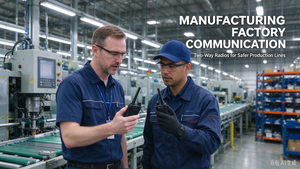
Rougher locations need stronger materials. A rubberized walkie talkie or heavy-duty rugged radio is designed to handle drops, vibration, dust, and wet conditions better than a basic consumer unit. Construction crews, parking operations, utility contractors, logistics yards, and search and rescue teams often need reinforced frames, grippy surfaces, sealed accessory ports, belt clips, and higher-capacity batteries. Many commercial buyers look for IP54, IP55, IP67, or similar ingress protection ratings, depending on exposure to dust and water. Some teams also request testing aligned with MIL-STD-810 methods for shock, vibration, temperature, and humidity resistance.
Healthcare and senior living facilities usually have a different priority set. Staff need quiet, clear, professional communication that does not disturb patients. Compact radios with earpieces, call tones that can be controlled, and easy channel management are often more important than long-range output. A wholesale walkie talkie package for healthcare facilities may include spare batteries, multi-unit chargers, surveillance-style headsets, and clear labeling for departments such as nursing, maintenance, transport, and security.
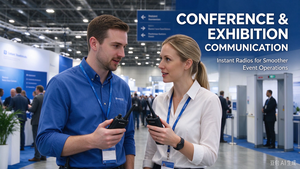
Hospitality buyers often ask for hotel walkie talkies in 10-pack configurations with earpieces. That format works well because it gives managers enough radios for housekeeping, maintenance, front desk, valet, and security while keeping the package simple. Bars and restaurants usually need durable radios with loud audio, compact size, and accessories that allow staff to communicate in noisy rooms without drawing attention.
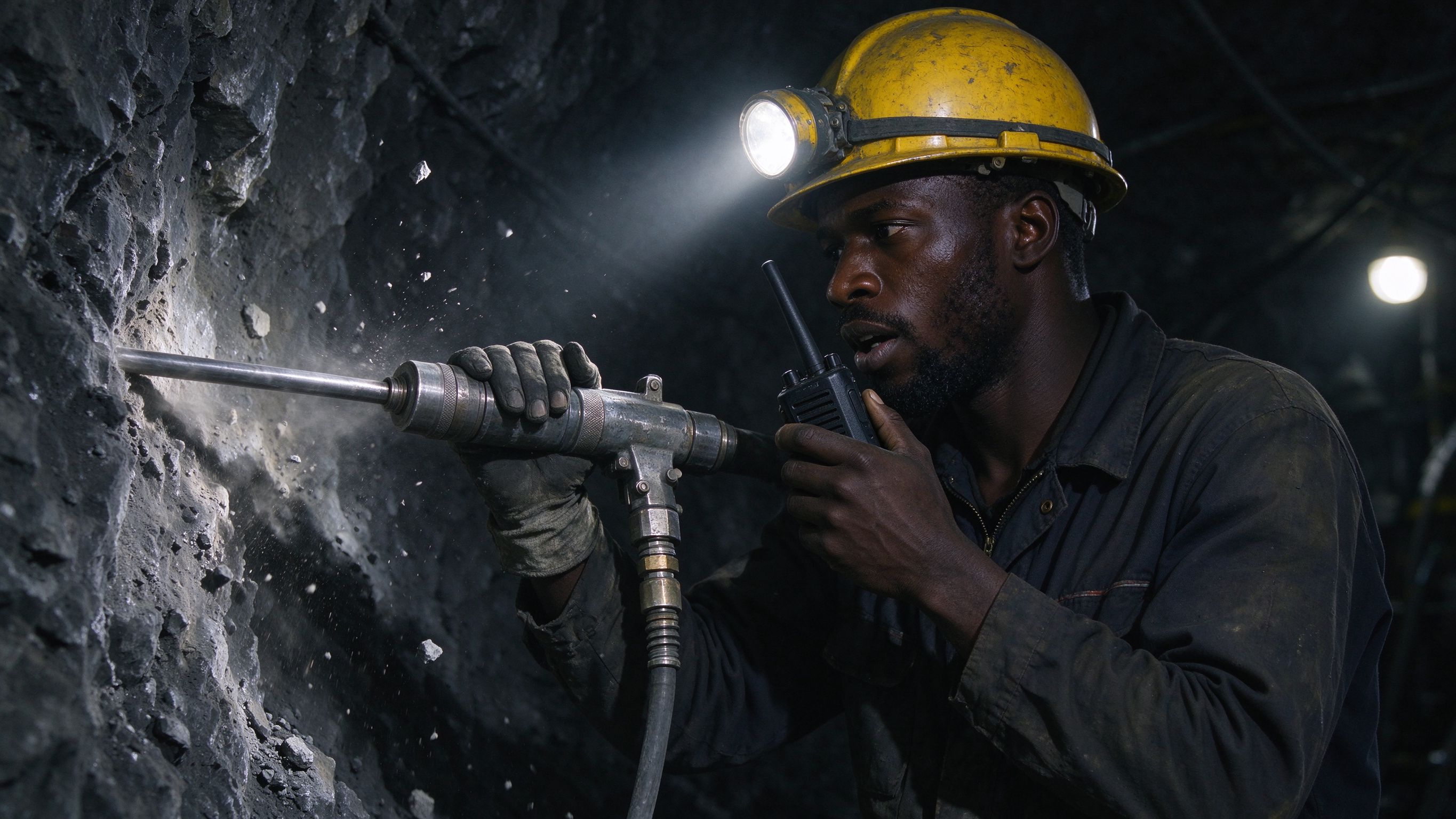
Industrial and hazardous locations require more care. Underground mining, fuel handling, chemical processing, and similar environments may require intrinsically safe radios certified under standards such as UL 913, FM approval, CSA, or ATEX and IECEx frameworks where applicable. These devices are engineered to reduce ignition risk in classified environments. For those buyers, a standard high-power radio is not a substitute for certified equipment. Talkie Wholesale helps procurement teams identify when safety certification is mandatory and when a rugged non-intrinsically safe unit is enough.
Audio Clarity, Range, and Battery Life Matter More Than Spec Hype
A clear audio walkie talkie is valuable because real work environments are noisy. Bars have music and crowd noise. Job sites have tools and vehicles. Hotels have elevators, laundry equipment, and back-of-house traffic. Video agencies deal with stage audio, generators, and production movement. A radio that looks powerful on paper can still fail the team if speech sounds muffled, clipped, or distorted at the edge of coverage.
Audio quality depends on several factors: speaker size, microphone sensitivity, noise reduction, antenna design, channel spacing, codec quality in digital models, and accessory compatibility. For teams using surveillance headsets or speaker microphones, the accessory is part of the audio system. A low-quality earpiece can make a strong radio seem weak. That is why bulk radio orders should include matched accessories rather than random add-ons purchased later.
Range should be evaluated honestly. High power walkie talkie models can improve coverage, but wattage is only one part of the equation. Walls, steel structures, elevators, terrain, vehicles, and other radio traffic all affect performance. A five-watt business radio may work well across a job site but still struggle in a basement or reinforced concrete building. For multi-floor hotels, healthcare campuses, convention centers, and warehouses, buyers should consider antenna options, repeater compatibility, and site testing before finalizing a large deployment.
Battery life is just as important as range. A long battery life walkie talkie supports full-shift work without constant charging interruptions. For an eight-hour hotel shift, a standard battery may be fine. For security, search and rescue, production crews, and logistics operations running 10 to 16 hours, higher-capacity batteries and spare packs become essential. Multi-unit chargers also affect reliability because they keep devices organized and ready for the next shift.
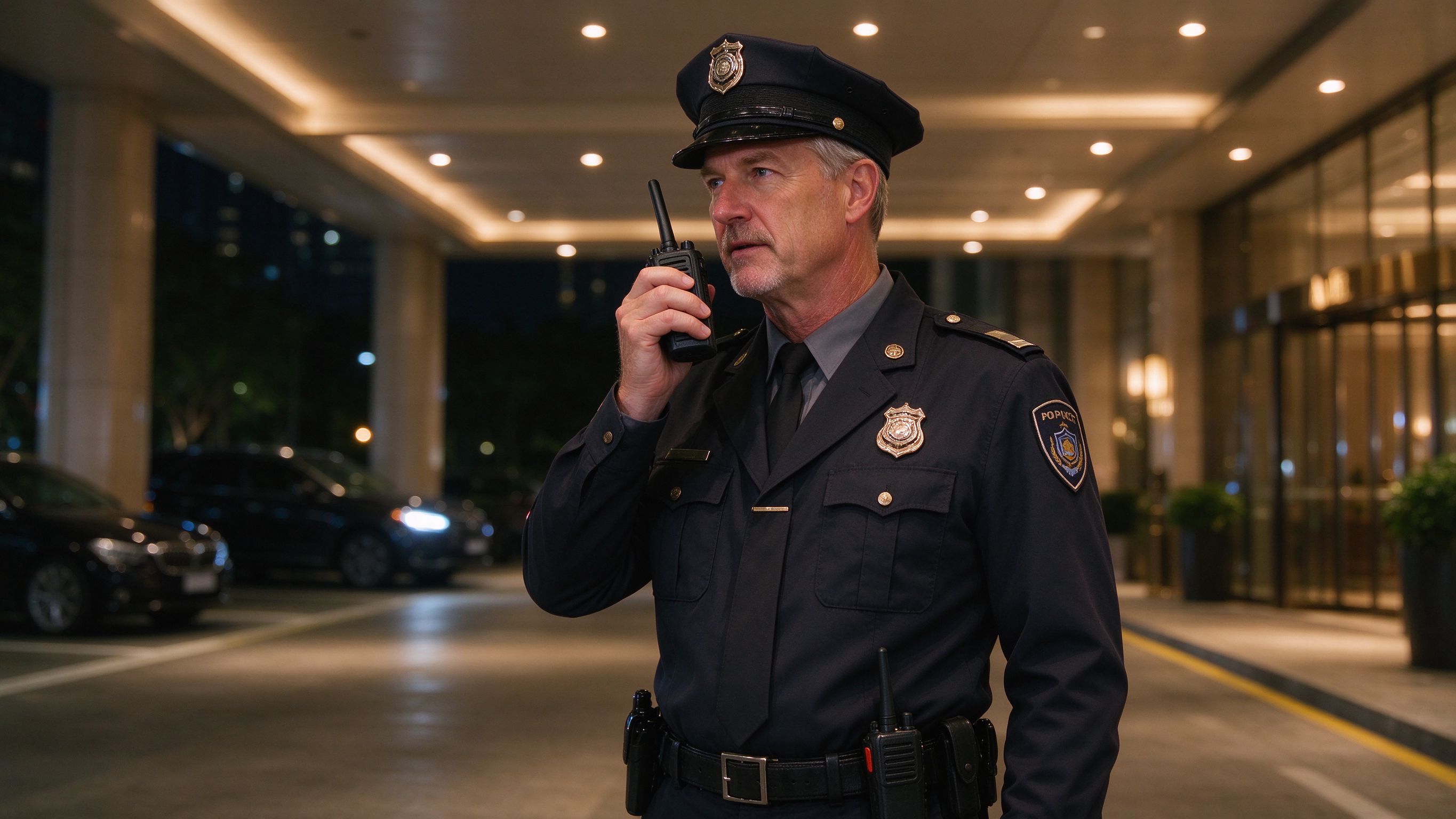
Hands-free operation is another key requirement. A hands free walkie talkie setup usually combines VOX capability, an earpiece, a lapel microphone, or a surveillance headset. This matters for security, event staff, restaurant managers, camera crews, and warehouse workers who need both hands available. The right accessory should fit the role: acoustic tube headsets for discreet security work, speaker microphones for outdoor crews, lightweight earpieces for hotel teams, and noise-aware options for loud venues.
Talkie Wholesale encourages buyers to think in operating scenarios rather than advertised maximums. A reliable radio package is built from the device, battery, charger, antenna, headset, channel plan, and user training together. That approach reduces returns and helps every staff member use the system correctly from day one.
Digital, Analog, FRS, Business Band, and PoC Options Explained
Many buyers arrive with a simple question: digital vs analog walkie talkie, which is better? The answer depends on how the team works. Analog radios are familiar, affordable, and easy to deploy. They are often suitable for small teams, local events, hospitality, and basic security use. Audio degrades gradually as range weakens, which some users prefer because they can still hear partial messages at the edge of coverage.
Digital radios offer cleaner audio, better channel efficiency, stronger privacy features, text or data functions on some models, and improved battery performance in many systems. For larger teams, digital two-way radios can support more organized talk groups and clearer communication in crowded radio environments. Warehouses, campuses, security contractors, and operations teams with multiple departments may benefit from digital migration, especially when they need scalable channel planning.